

Unicorn Service Solutions • Land Development
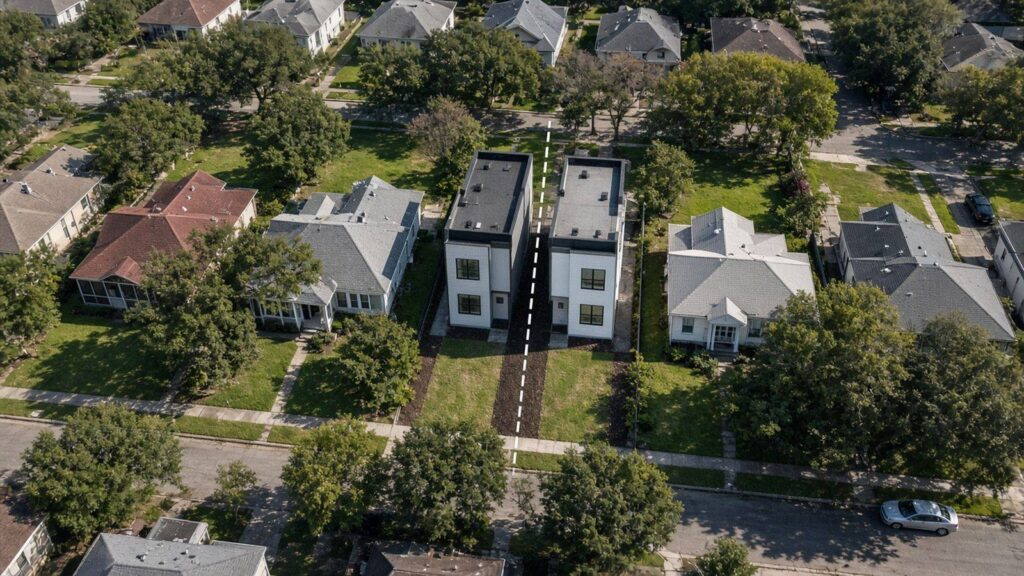
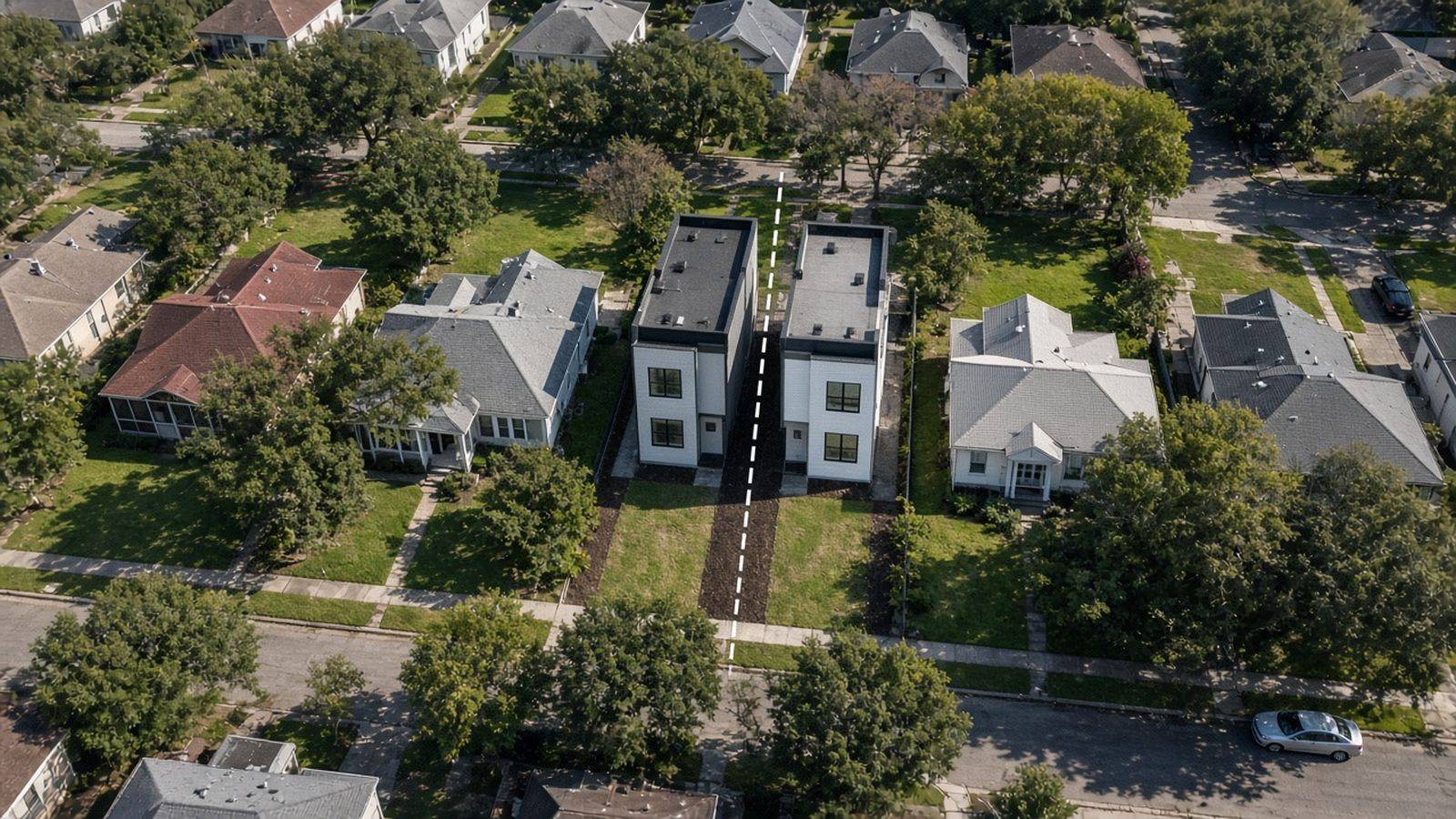
Want to split a lot, combine two lots, or move a line on your recorded plat? In Houston, that usually means a replat. It is one of the most common ways to unlock more value from land, and one of the easiest to get wrong without planning.
Unicorn Service Solutions manages replats for owners, builders, and developers across Houston and its extraterritorial jurisdiction. We coordinate the licensed surveyor and engineer, prepare and track the application, and keep your project moving through the Planning Commission process.
What is a replat?
A replat is a new subdivision plat for land that has already been platted. It redraws recorded lot lines, building lines, or other plat features. Under Chapter 42 of the City Code, the City of Houston reviews plats both inside the city limits and in the extraterritorial jurisdiction (ETJ), which extends about five miles beyond the city limits.
When do you need a replat?
- Splitting a lot into two or more lots, for example to build townhomes or sell part of the property. The City notes that you cannot sell or convey part of a single-family lot without replatting.
- Combining lots into one larger lot or reserve for a bigger home or commercial building.
- Moving lot lines between adjacent properties.
- Changing a building line shown on the plat, where Chapter 42 allows it.
- Cleaning up old lines so title, financing, and permits line up.
Classes of plats in Houston
| Plat class | In general |
|---|---|
| Class I | Residential only; up to four lots on existing streets, no new streets or public utility easements; not a replat. Rare. |
| Class II | No new streets or public water, wastewater, or storm sewer easements. Can be a replat. One-time submittal. Many lot splits use this class. |
| Class III | Needed when new streets or public utility easements are proposed, and for vacating plats. Preliminary and final submittals. |
The Planning Commission process at a high level
- Research. Pull the original plat, deed restrictions, and title information, and confirm what the lot can become.
- Survey and drawing. A licensed surveyor prepares the plat drawing. For single-family replats, the city requires an existing conditions survey signed and sealed by the surveyor.
- Submittal. The application is filed electronically with the Planning and Development Department. Incomplete applications are not placed on the agenda.
- Notice, if required. Replats of land that was ever restricted to single-family use require notice to nearby owners, a sign on the property, and a public hearing.
- Planning Commission action. The Commission may approve, defer, or disapprove a plat. Deferred plats return on a later agenda.
- Recordation. Once approved, the plat is recorded with the county, and permitting can follow.
Deed restrictions: check first
A replat does not override deed restrictions. For replats that require notice, the city asks every owner to sign an affidavit stating the replat does not attempt to alter, amend, or remove any covenants or restrictions. If your restrictions limit lot size or the number of homes, a replat alone may not get you there. We review them before you spend money on survey work.
Chapter 42 lot size and building line basics
Chapter 42 sets a minimum single-family lot size of 3,500 square feet inside the city and 5,000 square feet in the ETJ for lots with wastewater service. Smaller lots are possible when the plat meets performance standards such as compensating open space, and lots under 1,400 square feet require additional standards, including an average lot size of at least 1,400 square feet within the plat. Building lines depend on the street type. For example, Sec. 42-152 sets a 25-foot building line along a major thoroughfare. Read more in our guide to how close you can build to the property line.
What if the replat needs a variance?
If a lot cannot meet a Chapter 42 standard, a variance or special exception can be requested with the plat. Variance requests require notice to nearby owners, and the applicant must show a hardship or unusual physical condition. See Houston variance requests.
How Unicorn Service Solutions manages your replat
Through our project and program management, UnicornSS acts as your single point of contact:
- Early feasibility review of the plat, deed restrictions, and lot size rules
- Coordination with licensed surveyors and engineers, who prepare and seal the technical work
- Coordination with your architect or design firm, never replacing it
- Application, notice, signage, and Planning Commission follow-through
- Program management for multi-lot and multi-phase replats
- Next steps into building permits and occupancy
We cannot promise approval; the Planning Commission decides. We make sure your application is complete, well-documented, and actively managed. Explore all development planning services.
Plan it early with Unicorn Service Solutions
The best time to call is before you buy, lease, or start drawings. Unicorn Service Solutions reviews the plat, deed restrictions, and zoning and land use rules, then manages the city process with your design firm and licensed partners. Call 713-369-0925 or contact us online.